 Starting a keto diet can feel a little overwhelming, but it’s actually pretty doable once you get the basics down.
Switching from a high carb lifestyle to low carb, high fat eating brings some changes to your body, so doing it safely is really important.
When I first looked into keto, I had a ton of questions about what was safe, what foods to eat, and how to avoid any bumps along the way.
The good news is that a keto diet doesn’t have to be confusing or scary. It comes down to getting your meals right, being aware of your body, and knowing how to adjust to this new way of eating.
Making sure you do it safely also helps you feel your best and avoid some of the common headaches people sometimes get when going keto.
As you go through these steps, you’ll not only structure your meals better but also set yourself up for a smoother ride into ketosis.
This guide covers everything you need to start a keto diet safely, from understanding the basics to making a smooth transition.
If you want a plan that helps you avoid common mistakes and sets you up for success, you’re in the right place. Let’s jump in and get to know keto from the ground up.
Step 1: Understand What Keto Is (and Isn’t)
The keto diet is focused on reducing carbs and bumping up healthy fats. By doing this, your body switches up from burning glucose (from carbs) to burning fat for energy.
The main goal is to reach a state called ketosis, where fat becomes your main energy source instead of sugar. When your body starts to run on fat, many people notice more stable energy and reduced cravings for carbs and sweets.
Basic Keto Diet Breakdown:
- Fat: 70-75% of daily calories
- Protein: 20-25% of daily calories
- Carbs: 5-10% of daily calories (usually about 20-50 grams net carbs per day)
Common Myths about Keto:
- Keto isn’t just about eating bacon and butter. You’ll be eating lots of greens, healthy oils, nuts, seeds, and moderate protein.
- Calories still matter on keto. It’s not a “eat all you want” plan.
- You don’t need zero carbs, just keep them low enough to trigger ketosis.
Step 2: Talk to a Healthcare Professional First
Before changing your eating habits, it’s smart to check in with your doctor. This is especially true if you have any long term health conditions like diabetes, kidney disease, or if you’re taking medication.
A healthcare provider can help you figure out if keto is a good fit, run any needed lab tests, and offer advice for your specific situation.
This professional guidance helps set a strong, safe foundation for your keto experience.
Why This Matters:
- Some medical conditions need special attention on keto (like diabetes medication adjustments).
- Your doctor can keep an eye on changes in cholesterol, hydration, and kidney health.
- This step gives you peace of mind as you make changes.
Step 3: Plan Your First Week (Stock Up on the Right Foods)
Getting your kitchen ready is a huge help for sticking to keto. When I started, I made a grocery list of simple, keto-friendly staples that I actually looked forward to eating.
Prepping ahead stops you from reaching for high carb snacks and gets your mind into the keto habit right from the start.
Foods to Focus On:
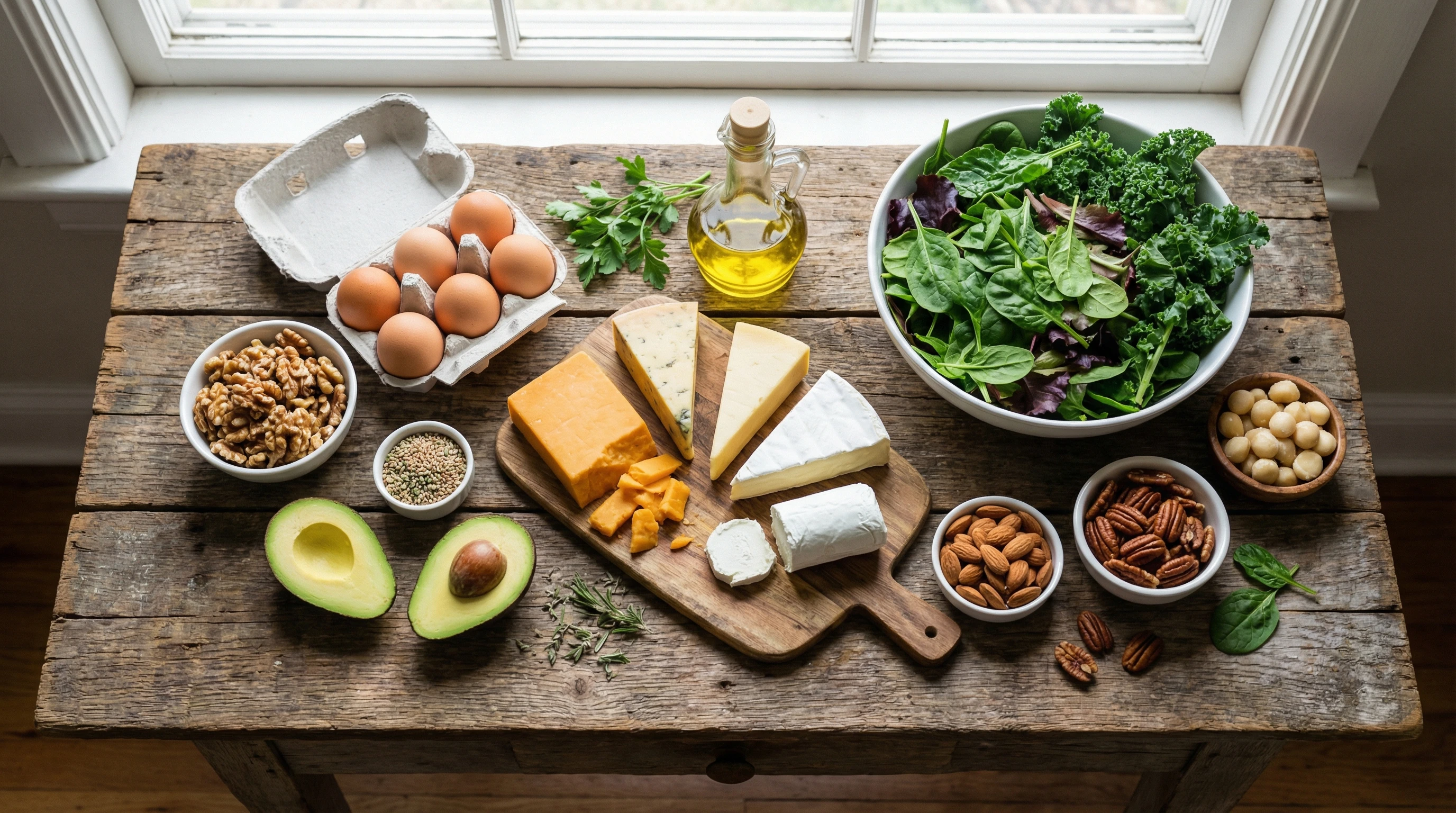
- Healthy fats: olive oil, avocado oil, coconut oil, butter, ghee, nuts, seeds
- Nonstarchy veggies: spinach, broccoli, kale, cauliflower, zucchini, green beans
- Proteins: eggs, poultry, beef, pork, fish, tofu
- Full fat dairy (if tolerated): cheese, Greek yogurt, heavy cream
- Low sugar fruits: small portions of berries
Foods to Avoid:
- Most bread, pasta, rice, grains, cereals
- Sugar sweetened foods and drinks
- Starchy vegetables: potatoes, corn, peas
- Most high sugar fruits: bananas, grapes, apples
Meal prepping a few keto lunches and snacks makes sticking to your plan much easier, especially on busy days.
Try preparing a batch of hardboiled eggs, some veggie sticks with guac, or cooked chicken to toss into salads for fast, healthy meals.
Step 4: Transition Your Carbs Gradually
Going low carb overnight might sound tempting, but cutting carbs too fast can leave you feeling sick and nauseas.
Some people experience what’s called the “keto flu” in their first week. This includes headache, fatigue, muscle cramps, and mood changes.
Gradually lowering your carb intake over a week or two can help you avoid those rough first days and make the process more comfortable.
How to Lower Carbs Smoothly:
- Start by cutting obvious sugar and bread products for a few days.
- Swap pasta for zoodles or cauliflower rice.
- Replace sugary drinks with water, unsweetened tea, or coffee.
- Track your net carbs (total carbs minus fiber) to stay on target.
This slower approach also gives your taste buds time to adjust, making it easier to stick with keto for the long haul.
Step 5: Stay Hydrated and Replace Electrolytes
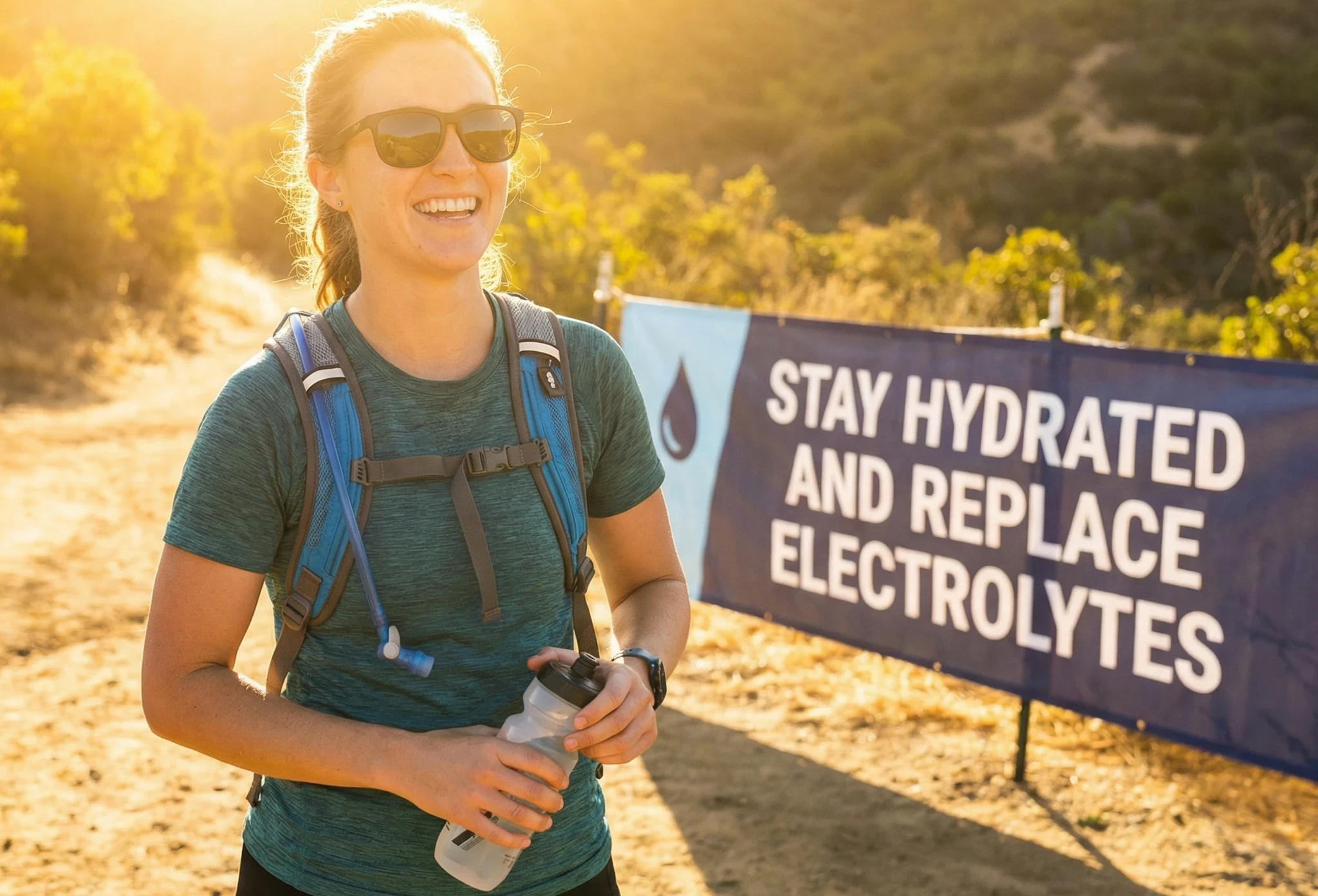
Carb heavy diets cause your body to hold onto water. As you lower carbs, your body sheds excess water and can lose important minerals called electrolytes (like sodium, potassium, and magnesium).
Staying hydrated is super important, and adding in some electrolytes can help you feel better during the early keto days.
People often don’t realize how much water they need to drink or that electrolyte loss can cause headaches and fatigue.
Easy Hydration & Electrolyte Tips:
- Drink more water than usual. Carrying a water bottle with you helps make it a habit.
- Add a pinch of salt to meals or sip a salty broth, especially if you feel tired.
- Eat potassiumrich foods like spinach, avocado, and salmon.
- Consider a magnesium supplement if you get muscle cramps.
Simple adjustments like these make a difference in how you feel. If you feel off, try upping your salt or magnesium and see if it brings you back to balance.
Step 6: Listen to Your Body and Track Your Progress
Every person reacts a little differently to keto. Stay in tune with how you feel each day.
If something feels off, it usually means you need to tweak your foods, drink more water, or rest a bit more as you adjust.
Recognizing your body’s signals can help you customize the diet to suit your unique needs.
What to Watch For:
- Energy levels and mood swings—take note if you feel unusually low or high.
- Digestion and bathroom habits. Changes are normal, but persistent problems may signal you need more fiber or fluids.
- Hunger and cravings. A well balanced keto meal should keep you satisfied for hours.
- Any dizziness or excessive fatigue. If this happens, increase electrolytes and take it easy with workouts for a few days.
Tracking your meals in a food journal or using a keto app is pretty handy for staying motivated and catching any trouble spots early.
Reviewing your notes can highlight patterns and help you spot little improvements, keeping your motivation up.
Step 7: Keep Your Meals Simple (and Enjoyable!)
When starting keto, simple meal ideas are really the way to go. Grilled chicken and broccoli with a buttery garlic drizzle, omelets with cheese and spinach, or salmon and avocado are all easy wins.
Boring food won’t keep you on track, so don’t feel bad about tossing in herbs, spices, and healthy sauces to make meals tasty.
It’s easier to stay consistent when you actually look forward to what you’re eating.
Quick Keto Meal Ideas:
- Egg or cheese “muffin” cups baked with veggies
- Zoodles tossed with olive oil and parmesan
- Chicken salad with avocado, pecans, and leafy greens
- Bunless burgers with lettuce wraps and a side of roasted cauliflower
Mix and match these ideas, or search online for more quick recipes. Most keto meals can be whipped up in under 30 minutes, making them practical for busy schedules.
Common Questions & Troubleshooting
What is the keto flu, and how can I handle it?
Keto flu is a set of symptoms like headache, fatigue, and muscle cramps. It usually passes in a few days.
Drinking water, eating some extra salt, and taking it easy with workouts can help you feel better faster. If the symptoms last longer, try adding a bit more healthy fat or taking a nap.
How do I know if I’m in ketosis?
You might feel clearer mentally, less hungry, and notice your cravings for sweets dropping.
Some people use urine ketone strips, breath meters, or blood meters to check (these are available at most pharmacies or online).
Over time, you’ll recognize your own signs that you’re in ketosis, like steady energy and fewer sugar cravings.
What if I slip up and eat too many carbs?
Don’t stress. Just get back to your next keto meal and move forward.
One higher carb meal won’t ruin your progress as long as you jump back in at your next opportunity.
Progress is all about consistency over time, not perfection.
Final Tips & Next Steps
Starting keto safely means easing in, stocking up your kitchen, and keeping an eye on how you feel.
If you pick just a few simple meals, track your carbs, and hydrate well, you’re setting yourself up for a good experience.
The first week or two is an adjustment, but soon it starts feeling pretty natural. Remember, everyone’s experience is a little different, so stay patient and pay attention to what works for you.
Your Keto Starting Plan:
- Check with your doctor first (especially if you have any medical issues).
- Pick two or three easy keto recipes to get started—don’t overcomplicate things.
- Cut carbs gradually and drink lots of water to stay hydrated.
- Listen to your body each day and make tweaks as needed for the best results.
Got more questions about starting keto? Drop them in the comments and I’ll answer with what’s worked for me!
The keto adventure is easier when you share tips and successes along the way. Here’s to happy, healthy eating on your new keto plan!