If you’ve heard buzz about the keto diet, you’re not alone. This low carb way of eating keeps popping up on social media and in conversations, all promising weight loss, better focus, and more steady energy. It might sound a little confusing at first, but once you get the basics down, it’s actually pretty simple to follow. I’m breaking it all down in this no-nonsense beginner’s guide to the keto diet.
What Is The Keto Diet?
The keto diet, short for ketogenic diet, is a low carbohydrate, high fat eating plan. It’s all about getting your body to burn fat for fuel instead of its usual go to, which is carbohydrates (mainly glucose from bread, pasta, rice, and sugar). On keto, your plate is loaded up with fats and proteins, while carbs are kept very low, usually around 20 to 50 grams per day.
This switch up in fuel is called ketosis. Once you’re in ketosis, your liver starts converting fat into molecules called ketones, which your body uses for energy. That’s where the name “keto” comes from!
Why Do People Choose Keto?
People jump into keto for a variety of reasons. The obvious one is weight loss, since cutting carbs often leads to fat loss and less water retention. Beyond the scale, though, some folks stick with keto for mental clarity, more consistent energy, and sometimes even to manage health conditions like type 2 diabetes (with a doctor’s advice, of course).
I’ve noticed a lot of newcomers are after that “steady energy” feeling. No more afternoon crashes, sugar cravings, or wild swings in focus during the workday. That’s a big reason why the keto way of eating keeps drawing new fans.
How Does Keto Work?
Keto totally flips the script on how your body usually gets energy. Here’s how it goes:
- Reduce carbs: Most foods you think of as “starchy” (like bread, potatoes, rice, and sugary treats) are limited. This keeps your body from getting its regular fuel source: glucose.
- Up the fats: Instead of reaching for rice or pasta, you fill up on healthy fats like avocados, nuts, seeds, oils, and fatty meats. Fats become your body’s new main energy supply.
- Your body adapts: When it realizes carbs aren’t showing up, your liver starts turning fat into ketones, which get used for energy by your cells and even your brain.
At the start, it might feel odd or even tough (the infamous “keto flu” can happen as your body adjusts), but most people settle into this new way of fueling up after a week or two.
What Can You Eat On The Keto Diet?
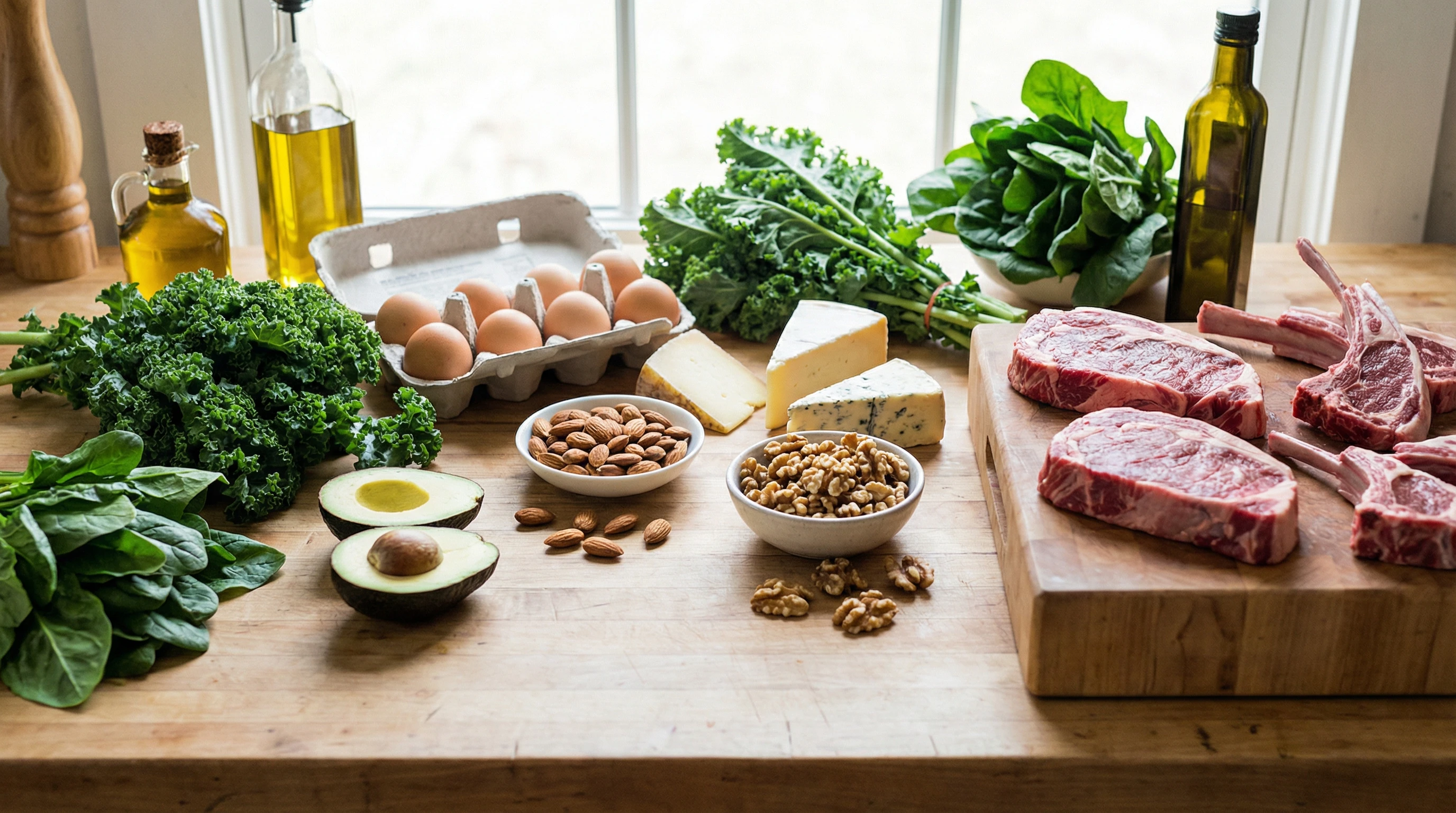
A typical keto plate looks pretty different from what a lot of us grew up with. Instead of loading up on grains or starchy veggies, you’ll be reaching for:
- Meats: Think chicken, beef, pork, bacon, and sausage, preferably unprocessed or minimally processed.
- Fish and seafood: Salmon, sardines, shrimp, mackerel. All perfect on keto.
- Eggs: A budgetfriendly and versatile favorite.
- Low carb veggies: Leafy greens, broccoli, zucchini, peppers, cauliflower, and asparagus.
- Healthy fats: Avocado, olives, nuts like almonds, walnuts, macadamias, coconut oil, olive oil, and butter.
- Cheese and fullfat dairy: Cheese, cream cheese, heavy cream, and unsweetened Greek yogurt (watch carbs here).
Foods to skip or seriously limit include bread, pasta, rice, oats, potatoes, corn, beans, lentils, sugary snacks, soda, fruit juice, and most fruit (apart from small berries). The goal is always to keep carb intake real low, while fats make up the bulk of your calories.
Getting Started With Keto: A Practical Step by Step Guide
Switching gears with your diet can be tricky at first. Here’s what makes the keto transition a bit easier:
- Check your current carb intake: Spend a few days tracking what you usually eat, just to get an idea of how many carbs you’re actually taking in. Apps like Carb Manager or MyFitnessPal are pretty handy for this.
- Figure out your macronutrient targets: Keto is usually split into 70 to 80% fat, 10 to 20% protein, and 5 to 10% carbs. Use an online calculator or keto app to help dial in your numbers based on your goals.
- Plan your meals: Meal prepping or at least planning what’s on the menu makes sticking to keto way less stressful. Stock up on meats, eggs, leafy greens, fats, and a few keto snacks.
- Read food labels: Many packaged foods sneak in sugars and starches. Checking the total carbs per serving saves a lot of headaches, and accidental carb spikes.
- Prepare for the first week: Mild “keto flu” (headaches, fatigue, maybe some crankiness) can hit as your body switches to burning fat. Staying hydrated and getting enough electrolytes (salt, magnesium, potassium) really helps.
Common Challenges And How To Deal
Everyone hits a few speed bumps with keto, especially early on. Here are some areas that usually trip people up, along with ideas to make the ride smoother:
- The Keto Flu: A rough patch that feels like a cold, but it’s just your body adjusting. Drinking more water and adding a little extra salt to your food gets most folks through it.
- Social situations: Eating out or at parties can be tricky. I usually check menus online, politely skip carby sides, and focus on options like steak, grilled fish, or salad with oil and vinegar.
- Hidden carbs: Condiments, sauces, and some processed foods sneak in sugar or starch. Checking ingredients, or sticking with basic whole foods, makes it way easier to avoid those.
- Sugar cravings: These usually go away after the first week or two, but I find ketofriendly desserts, a handful of nuts, or a chunk of cheese help when they sneak up.
Tips For Success On Keto
I’ve found these tips super useful for anyone new to keto:
- Focus on whole, fresh foods. Less stress about carb count, more focus on real nutrition.
- Cook at home as often as possible. It’s easier to control your ingredients and avoid hidden carbs.
- Don’t skimp on salt. Low carb eating flushes excess water and salt out of your system, and a pinch extra really helps with headaches or tiredness.
- Try to keep meals simple until you get the hang of things. A protein, a low carb veggie, and plenty of healthy fat is usually all you need for a filling, ketofriendly meal.
RealWorld Benefits Of The Keto Diet
Some of the main changes people report, once they’re over the initial “carb withdrawal” period, include:
- Weight loss: Many folks notice weight comes off faster, especially in the first few weeks.
- Steady energy: Once fat adapted, your body has a constant fuel supply, so those postlunch energy crashes just don’t happen much.
- Improved mental focus: Ketones are a super efficient brain fuel for a lot of people. Less brain fog is a nice bonus.
- Decreased cravings: Fat is more filling than carbs, so hunger, and latenight snack attacks, tends to settle down.
Some people also notice better blood sugar control and lower triglycerides, especially if they stick with it for a few months. Of course, anyone with health conditions should always check with a doctor before overhauling their diet.
Keto Diet FAQs
It’s totally normal to have questions if you’re thinking about trying keto. Here are a few I hear all the time:
Question: Can I eat fruit on keto?
Answer: Most fruit is too high in sugar. Stick with small portions of berries like raspberries, blueberries, blackberries, or strawberries, and avoid things like bananas, apples, or pineapple.
Question: How much protein should I eat?
Answer: You want moderate, not high, protein. Too much protein can kick you out of ketosis. A keto calculator or app helps keep this balanced, usually around 20 to 25% of total calories.
Question: Is it safe to stay on keto for a long time?
Answer: Many people use keto for months or even years, but anyone with medical concerns should get input from a healthcare provider. Watch for changes in cholesterol, digestive comfort, and energy levels, and make adjustments as needed.
Getting The Most Out Of Keto
Staying consistent is really important for results. Tracking meals, at least at first, can uncover hidden carbs, while meal planning keeps you from feeling stuck when hungry. Don’t be afraid to experiment with recipes. There are loads of tasty, easy keto ideas out there that’ll keep things fresh, from cheesy omelets to creamy cauliflower mash and more.
Connecting with others is also helpful. Online keto communities offer recipes, troubleshooting, and real world advice that’s way different from a rulebook. Sharing wins and questions can make the whole process way less intimidating. If you can, joining a local group or finding a keto buddy can really give you a boost in sticking with your goals.
Embracing keto is about tweaking, learning, and finding meals and snacks that actually work for your routine. With a bit of patience, keto can become less of a “diet” and more of just how you eat for better energy, clearer thinking, and possibly a lighter step. Remember to focus on your progress, celebrate small victories, and enjoy new recipes as you track down what works best for you one delicious meal at a time.
Should you have any questions or just need more clarity, we are here to help you. Just drop it in the comment section below. What do you believe could be the most difficult part eating keto will be for you starting out?